Updates
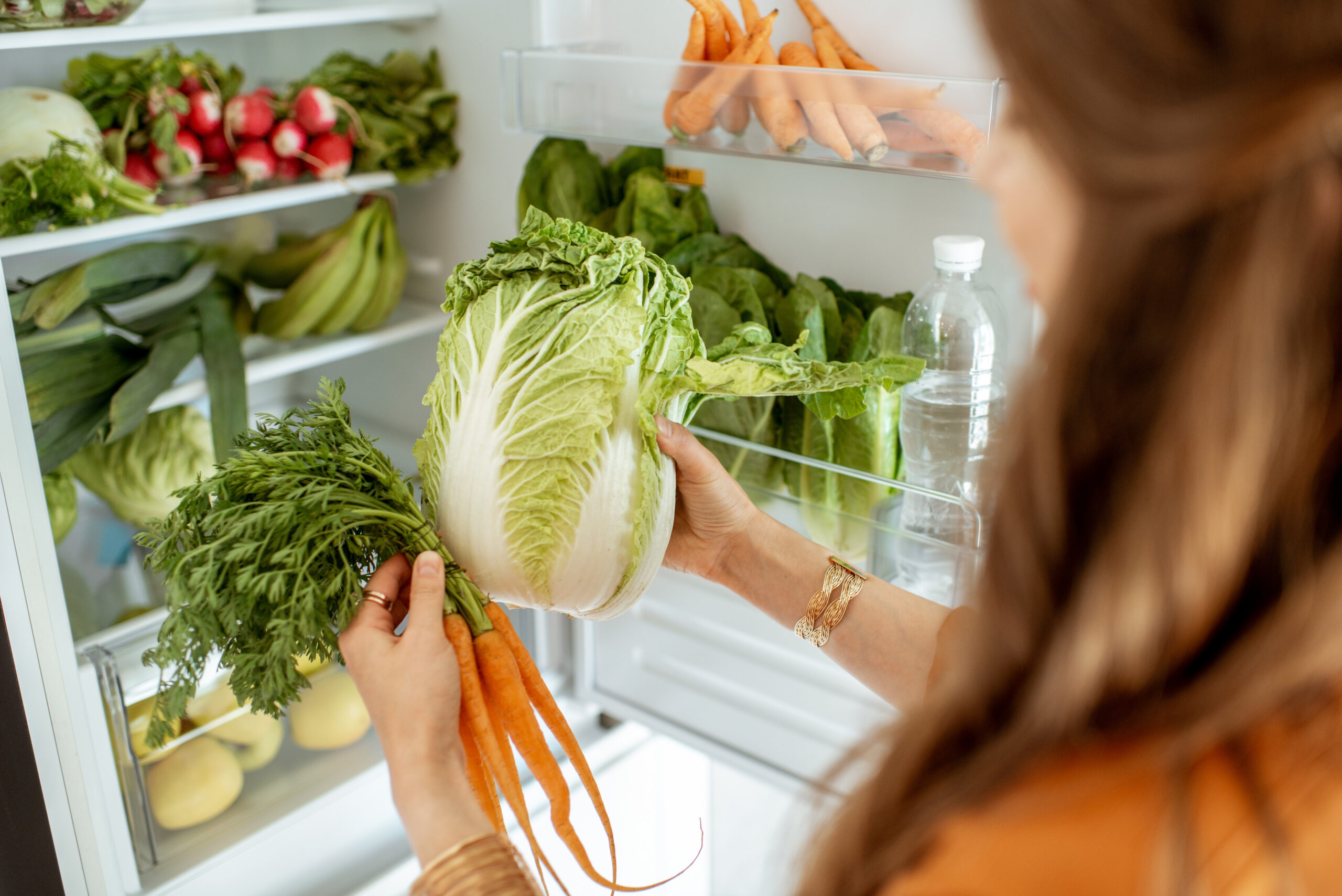
Reducing Waste at Home: Storing Food for Prolonged Shelf Life
September 23, 2026
Published by: Hayley Shaw
Let’s talk about food waste, the science behind why food goes bad, and how we can better store our food to prolong the shelf life of fruits and veggies.
We’ve all been in the situation of buying and preparing with the best intentions—we bring a list to where we get groceries, we form a plan based on the ingredients we get, and then somehow, a few days later, we are trashing a very brown banana, a bruised onion, or old, moldy cheese. Sometimes it is because life got busy, we bought too much of something, or we created a different recipe than planned. But often, it’s because we stored the items we bought incorrectly. Let’s talk about how to store common items in order to best preserve them.
How do Fruits and Veggies Ripen?
There is a plant hormone that is the main culprit for why fruits and veggies ripen. This gaseous hormone is called ethylene. Ethylene production continues to ripen fruits and vegetables such as bananas, apples, tomatoes, and peppers. Once the hormone is produced, it quickly affects the fruit around it. This is why one ripe apple in a bowl can cause the apples around it to ripen more quickly.
This is one of the first storage hacks to know: keep an eye on produce left on the counter. When you notice a fruit has ripened, eat it, or place it in the fridge. This will not only extend the life of that specific fruit but also slow the other fruit in the bowl from ripening as quickly. Remember: cold quiets ethylene’s effect.

Not All Fruits and Veggies are the Same
Certain fruits and vegetables, like bananas and tomatoes, are more affected by ethylene. Certain vegetables, such as leafy greens like spinach and kale, are actually damaged and even spoiled by ethylene instead of ripening from it. For the best quality fruit and vegetables, store high-ethylene producers in separate areas from ethylene-sensitive items. For example, you could use a banana stand to keep bananas separate from other items, a glass bowl for apples, pears, and nectarines, and a separate container for avocados or tomatoes. Ethylene-sensitive items can be stored in the fridge in plastic from the store, bags, jars, or airtight containers in order to best extend their freshness.

Once you start to master where to put produce to best extend its freshness, it will create a flow in your kitchen. The goal is to keep using produce in various recipes while reducing food waste from spoilage. At We Don’t Waste, we teach that 40% of food waste occurs at home, so learning ways to reduce waste in your own kitchen can make a real difference in packed landfills and climate change. To tackle food waste in your own kitchen, check out our resources on at-home food waste audits to understand how much you are tossing and why.
How to Best Freeze Foods for Preservation
Beyond learning how to store your produce, knowing when and how to freeze items can significantly reduce food waste in your kitchen.
Often, people share that when they make a recipe, they get sick of it after only a few servings. While this is totally understandable, there is a really easy switch to extend the life of your recipes, and that is to utilize your freezer! Instead of making one meal for the entire week (if you live alone, for instance), use your freezer to eat half now and half later. Learning when and how to freeze recipes is tremendously helpful for extending the life of your recipes and reducing waste. Plus, you’ll have nutritious, homemade options in the freezer that you can quickly heat up for a meal!

Let’s say you make a soup with roughly 6 portions. Once the soup is finished cooking, eat or store the portions you will be eating in the fridge, and pour the rest into a freezer-safe container to cool. Once cooled, put it in the freezer and label it with the date you made it. Most items are safe in the freezer for up to 6 months. On a night when a freezer option would be easier, let it thaw, then heat it on the stove or in the microwave. Alternatively, if you’re looking through your freezer and know it will work well in the upcoming days, you can transfer it from the freezer to the fridge to thaw and then heat when you’re ready.
What Items Freeze Well?
Many items, including dairy, fruits, vegetables, nuts, and grains, can be frozen for future meals. Here is a list of foods you may not have known can be frozen*:
- Cheese
- Butter
- Half-and-half
- Buttermilk
- Bananas
- Avocados
- Tomato paste
- Chopped onion
- Pesto
- Tofu
- Nuts
- Cooked rice
- Cooked pasta
- Wine (to use for cooking)
*Be sure to freeze these items in wide-neck containers that allow for expansion of the contents inside, especially with liquids. Be cautious when freezing items in glass containers, and do not freeze wine in the wine bottle.
Getting Ahead for Future Recipes
Another freezing hack is to freeze ingredients ahead of time for quicker recipes! You can chop and freeze ingredients to make cooking easier, or to save ingredients you don’t have time to cook before they spoil. For example, many soup recipes require onion. If you are making a recipe and have some extra onion leftover, or even if you want to prep ahead, place the cut onion into a freezer-safe bag for future use. The next time you are preparing to make a soup or dish that requires onion, utilize the frozen onion. This not only cuts down on prep time but also reduces food waste. You can also do this with ginger root for stir-fries or smoothies, or overripe bananas for banana bread or smoothies.

Mastering Food Storage Can Reduce Food Waste
Many people think of cafeterias, restaurants, or farms as the largest source of food waste, but the largest percentage of wasted food actually comes from households. Composting can be great to implement, but it still causes greenhouse gas emissions and should be one of our last resorts, next to the landfill. The biggest impact we can make is through reducing waste at the source: we can learn and apply these produce and freezer hacks to drastically reduce the amount of food thrown in the trash and compost, and increase access to nutritious foods during times of need. This reduces planetary impact and can also save your family lots of money!
Explore our website to learn more about food waste! Or, make an even greater impact by joining us for a volunteer shift, signing up for a monthly donation, or scheduling an educational presentation to learn more tips and tricks about reducing food waste.