Updates
The Butterfly Effect of Giving Back
December 17, 2025
Published by: Nora Thomas
The end of the year marks the beginning of the giving season. As holiday cheer spreads (and tax deadlines approach), individuals, companies, and organizations are choosing their favorite causes to give back to.
For some, giving back can be daunting. Maybe you don’t know where to start, you want to make sure your donation goes to good use, or you feel like you can’t give enough to make a big difference.
Whether big or small, every gift creates a ripple effect of good and works to better your community. To illustrate the butterfly effect, we will explore We Don’t Waste’s operations, use of donations, and the community impacts as a result of your support.
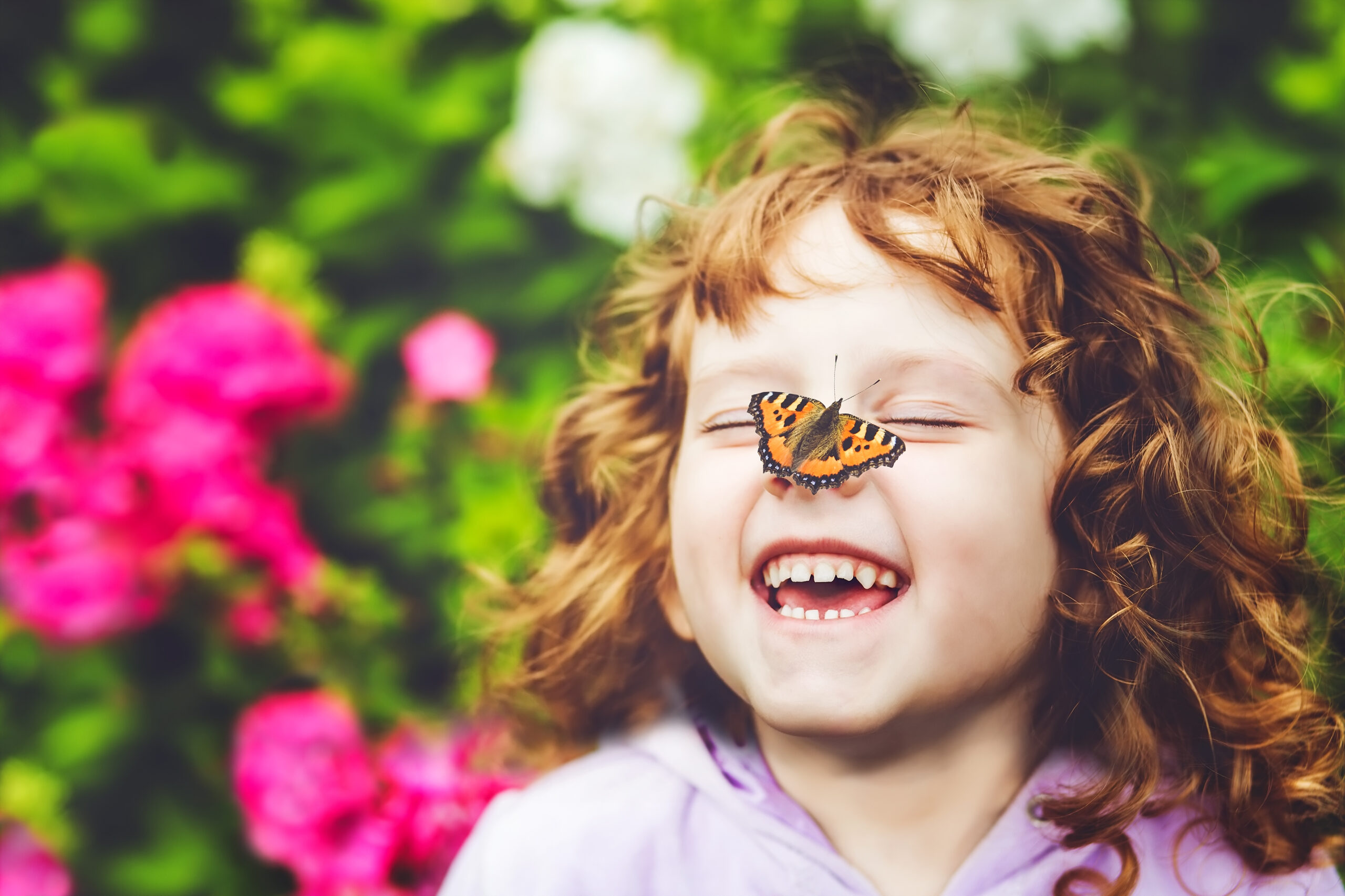
The Butterfly Effect
The idea of the butterfly effect stems from Edward Lorenz’s work on Chaos Theory: “small changes to a complex system’s initial conditions can produce dramatically different outcomes.” Interestingly, Lorenz was a meteorologist studying weather changes. You may have heard of his famous idea that a butterfly flapping its wings in Brazil could whip up a tornado in Texas. This fascinating concept has shifted in its use in popular culture. Now, when we refer to the butterfly effect, we are discussing how small actions can create large, lasting impacts.
If you feel stuck when it comes to giving out of fear that your gift won’t be enough or be put to good use, think of the butterfly effect. Perceivably tiny actions can create radical impacts for your community.

We Don’t Waste’s Operations
At We Don’t Waste, there are so many moving parts required for food to efficiently get to people in need. This is a combined effort of staff, food donors, nonprofit partners, and dedicated volunteers, and would not be possible without our generous donors.

So, how exactly does food get distributed? Our team picks up food donations from grocery stores and other distributors in our fleet of trucks, then organizes and stores the goods in our Food Recovery Hub. Smaller donations are dropped off at our door, and volunteers also rescue food from local businesses through the WeRescue App. From there, food is distributed to nonprofit agency partners who serve food through programs like meal services, food pantries, walk-up groceries, and more. Food is also distributed through Mobile Food Markets, where participants can register to walk through and select their own food.
It takes a lot of time and effort for food to ultimately reach the plate of someone in need. As food prices rise and market attendance increases, it is even clearer how necessary this complex process is. Without this work, our neighbors would lose access to thousands of servings of food each week.
How Are Donations Utilized
When We Don’t Waste receives donations, they support the operation of Mobile Food Markets, the truck fleet and food pickups, the education and outreach programs, and keep the lights running in the Food Recovery Hub.
Even if you feel like you don’t have much to give, a gift of $5 could give someone experiencing food insecurity peace of mind for an entire week. When you frame it that way, no gift is insignificant.
How Can We See the Impact?
Food is essential, yet 1 in 8 Coloradans are experiencing food insecurity, with children and people of color disproportionately impacted. With the recent SNAP program reductions and worsening inflation, the proportion of food-insecure individuals in our state is rising. Food distribution, supported by your gift, can give families peace of mind, a sense of stability, and hope.
Everyone deserves access to good, nutritious food. Without proper nutrition, mental health, physical health, and well-being are at risk. When children don’t have adequate access to food, it can be difficult to focus and perform well in school. Food insecurity can also compromise the immune system and increase cases of illness. This can cause individuals to miss school and work, setting them even further behind. We can help our neighbors to ensure this isn’t their reality.
We often hear stories from participants at Mobile Food Markets about how food supply helps their families. Let’s take a look at how food access is making a difference for our neighbors:
![Quote from Mobile Food Market participant Tracie: “[The markets] help me because I can pay for bills instead of having bills go to collections. Disability doesn’t pay much and you can’t get food stamps or any help that way, so this actually help me in the long run.”](https://i0.wp.com/www.wedontwaste.org/wp-content/uploads/2025/12/MONICA-3-scaled-e1764620291819.png?resize=2214%2C836&ssl=1)

![Quote from market participant Deseri (feeding a family of 8): “[Mobile Food Markets] are a huge help especially when people have big families the way I do. It really does come in handy, so thank you.”](https://i0.wp.com/www.wedontwaste.org/wp-content/uploads/2025/12/3-scaled-e1764615279363.png?resize=2240%2C870&ssl=1)


Gifts help We Don’t Waste provide more food and create a butterfly effect of positive impacts for our community. For someone like Rubi, accessing food at the mobile markets helps her support her baby and care for the families living with her. For someone like Tracie, saving money on food allows her to catch up on bills and stay financially afloat.
Maybe you’ve contributed to We Don’t Waste in the past, and you knew your gift was supporting food access. Did you know that it ripples much farther beyond that to support factors like financial stability, health, and performance at school or work?
How Does the Butterfly Effect Reach You?

When giving back, the butterfly effect causes a series of positive ripples in the community, but it also ripples back to you! Giving back is great for your community connection, your happiness, and your self-worth.
Studies show that giving to others promotes happiness. The brain has a natural reward system that activates when we give by connecting the parts of the brain associated with processing social information and feeling pleasure. Giving is also linked to the release of oxytocin in the brain, a hormone associated with trust, safety, and social connection. Individuals who give often report lowered stress and blood pressure levels, improving immune system function.
Giving back boosts self-esteem and purpose. It is also a way to interact with your community more deeply. Whether it is interacting with people you wouldn’t usually cross paths with, showing up for a new neighborhood, or supporting an organization you know is doing good work, you can strengthen community.
One “small” action can reach so many people in your community and make you feel good. Plus, when actions make us feel good, positive reinforcement pushes us to take that action again. So, the more you give back, the more you’ll want to! The more we all give back, the stronger our community gets.
The Butterfly Effect Could Start Here!
We Don’t Waste would be honored if you chose to give to our organization this giving season. Your support helps feed our neighbors in need.
But, We Don’t Waste isn’t the only organization that needs support. The Urban Institute reported that ⅓ of all nonprofits experienced disruptions in government support in the first half of the year. With government funding decreased, many of our neighboring organizations doing critical work are struggling to keep their doors open. Look into your local organizations and consider giving back!
No matter how you choose to support, giving back in any way creates a butterfly effect of positivity in your community.