Updates
Honoring Juneteenth: History, Food, and Justice
June 19, 2026
What is Juneteenth?
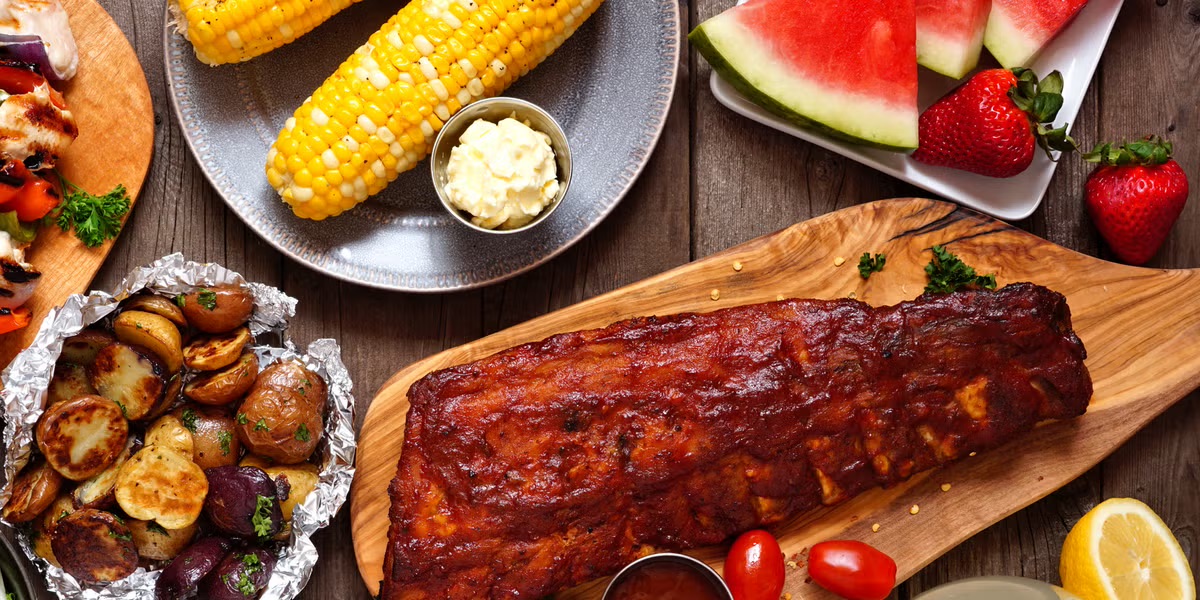
June 19th, 1865, marks the day that enslaved Texans in Galveston were finally informed of their freedom by Federal troops. Although the Emancipation Proclamation was issued by President Lincoln two and a half years prior, freedom did not come immediately for everyone. In Texas, the westernmost state at the time, many slave owners withheld information or refused to free their enslaved people. Until the war ended in April of 1865, the Union lacked sufficient authority or manpower to enforce the ruling. Finally, the 13th Amendment formally abolished slavery in December of 1865.
Nevertheless, June 19th became known as Emancipation Day, Freedom Day, Jubilee Day, or Juneteenth. Celebrations began in Texas in 1866, featuring music, barbecues, and prayer services. As Texans migrated across the US, tradition spread. Texas was the first state to honor Juneteenth as a holiday in 1979. 42 years later, President Biden declared June 19th a federal holiday in 2021.
But what is Juneteenth all about? In part, Juneteenth is a celebration of resilience, community, and freedom from the barbaric systems of the past. It is also a reflection on what it means to be free and a recognition of the ongoing fight for equality. Kelly Navies, Museum Specialist of Oral History at The Smithsonian National Museum of African American History and Culture, said, “It was such a difficult time, but there was a refusal to be held down by the past and a determination to move forward.”
The Role of Food in Juneteenth Celebrations:
Food has always been a central component of Juneteenth celebrations, marked by the symbolic color red. Juneteenth tables are filled with barbecue, strawberry pie, red velvet cake, and red drinks. Red foods became prominent partly because strawberries and watermelons are harvested in June. But red is also significant culturally and symbolically.
The tradition of red foods traces back to the Yoruba people of Nigeria, Benin, and Togo, and the Kongo people of Angola. For these cultures, red represents power, sacrifice, and transition. According to Adrian Miller, author of Black Smoke: African Americans and the United States of Barbecue, the color also “evokes cultural memory of the bloodshed by our enslaved ancestors through the transatlantic slave trade.”
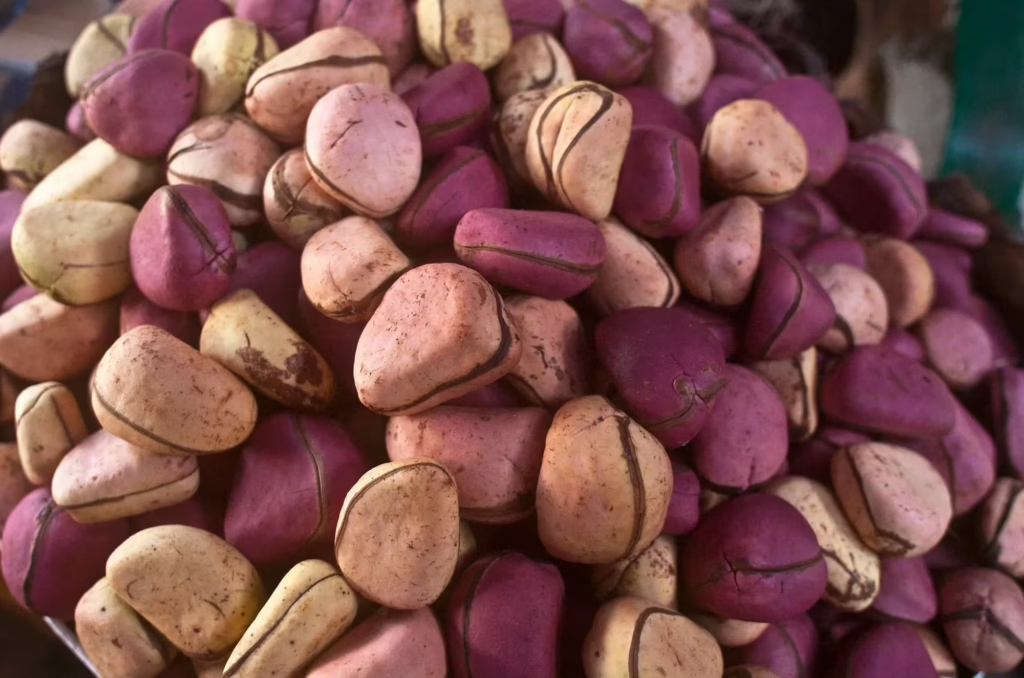
In the beginning, Juneteenth celebrations featured an ancestral red drink made from hibiscus and a red kola nut tea. Both kola nuts and hibiscus are native to West Africa and were brought to the United States with the Atlantic Slave Trade. Red drinks at Juneteenth tables evolved from teas to lemonades to carbonated drinks. Eventually, Red Kool-Aid became the “Soul Food drink”. At Juneteenth feasts, traditional red foods are often served alongside black-eyed peas, collard greens, and sweet potatoes.

Food Justice:
Despite being pushed out of agriculture through discriminatory policies following the end of legalised slavery, Black Americans have been innovating and supporting our foodscapes for centuries. Juneteenth is not only a celebration of freedom but also honors Black Americans’ influence on American cuisine and resilience in the face of discrimination.
As a food access organization, we must acknowledge that Black Americans experience food insecurity disproportionately. According to Feeding America, in 2023, Black Americans were more than twice as likely to face food insecurity as white Americans. In 2023, 1 in 4 Black children lacked reliable access to food. This is a systemic issue deeply rooted in our country’s history that we must approach through advocacy, awareness, and action. We can do our part by creating inclusive access to food, uplifting organizations that support Black communities, and distributing culturally relevant food when possible.
In addition, we recognize the advocacy work needed to uproot and support the areas in food apartheids that are still prevalent across the country. The term “food desert” first emerged in the ‘70s and ‘80s to describe neighborhoods with little or no access to healthy, affordable foods, often replaced by convenience stores or longer commutes to reach a grocer. The demographics of these areas were often predominantly Latino or Black. Karen Washington, a food justice advocate, coined the term “food apartheid” to better recognize the intentional, systemic source of the lack of healthy and affordable food options in these areas.
A “desert” implies that this phenomenon was naturally occurring; it was not. By using the term “food apartheid”, you can better understand the systematic racism and oppression in the form of zoning codes, lending practices, and other discriminatory policies rooted in white supremacy.
Today, with more awareness of the presence of these food apartheids, we are better able to advocate for change to support neighborhoods experiencing worse food access.
Honoring Juneteenth, Through Food and Beyond
This Juneteenth, we can also honor Black History by reading and learning, donating to Black-led organizations and farms, and supporting Black-owned businesses.
If you are in Denver, there are so many amazing groups to support. Consider spreading awareness, shopping, or volunteering with the teams listed below:
At We Don’t Waste, we are proud to partner with several of these organizations and businesses, working in collaboration to improve food access for everyone in our community. We’ve provided food to the Struggle of Love Foundation and Second Chance, and have worked with Frontline Farming to distribute surplus food. They are doing incredible work for our community each week, and we would recommend you check them out for opportunities to engage and support.
