If 2020 was one of the most unexpected years in recent history, 2021 comes in second place! We’ve all become used to expecting the unexpected as COVID continues to challenge our community. Food insecurity is still sitting at an all-time high of 1 in 3 Coloradans. But stay with us, there is good news too! As hunger has increased, so has We Don’t Waste’s capacity.
With so many more people experiencing food insecurity, the first solution we had to tackle was to increase our food output. Most of the food we recover is distributed through partner organizations. These organizations serve a wide variety of communities ranging from elementary schools, veterans, young families, those experiencing homelessness, and more. By providing these organizations with reliable, free food resources, they are able to provide quality food to their communities while dedicating less of their annual budgets towards food expenditures. Less money spent on food means more spent on programming and other resources.
Our partners aren’t the only way we distribute food! We have 6 to 8 Mobile Food Markets in a typical month. In total, we ran 71 markets this year. These markets served over 50,000 individuals, 40% of whom were children. We were also able to re-introduce the much-loved Garden Place walk-up market to the excitement of the surrounding community!
We pride ourselves on the variety of foods we are able to provide to both our market participants and our distribution partners. Over 50% of foods recovered were fresh (protein, fruits, veggies, and dairy).
Overall, it was an incredible year of growth for our Mobile Food Markets and our distribution network. How were we able to feed so many people? We expanded our vehicle fleet by 1 van, and our staff by 5 people (making us less small, but still mighty)! We are more mobile than ever! From small pick-ups, increased recovery of frozen foods (thanks to our new walk-in freezer), and new food donor relationships, we are able to recover foods with more efficiency than ever before!
We couldn’t have done all of this alone. Over the last year, we had over 755 people volunteer with us! With over 4,785 hours of volunteering served over the course of the full year––our community really pulled their weight!
We also stayed busy educating youth all across the Denver metro area about food waste and what they can do to prevent it. The enthusiasm we have seen during these presentations definitely makes us hopeful for the future!
It wasn’t all work though, we got to have some fun with everyone at several events!
Our 12th Fill A Plate For Hunger was held in September and we had the privilege of enjoying live music, incredible food, and an exciting auction! We received an immense amount of support from the attendees, sponsors, and local chefs in attendance and can’t wait to do it again next year!
Canstruction® made its triumphant return to Colorado and was on display November through early December at Stanley Marketplace! We had several larger-than-life structures made entirely out of canned food from local architecture and engineering firms (in addition to two bonus structures designed and built by our very own IT & Database Administrator, Mario)! Huge congrats to the winner of the People’s Choice Award, W.E. O’Neil Construction Co. of Colorado with their CANorado Grill design.
Towards the end of the year, we celebrated a staggering amount of generosity from our community! Giving Tuesday and Colorado Gives Day were just a week apart at the end of November, and we were stunned by the support! Thousands of donors showed up to effect change and showed a record-breaking level of support.
In total, $76,000 was donated over a 24-hour period alone! To put that in perspective, that will result in around 518,000 more meals of recovered food! That equals roughly 1,500,000 servings of food representing 11,000 tons of greenhouse gases prevented.
It was a strong way to end the year, and motivates us to make next year even better!
Thank you for joining us on the wild ride that was 2021! The amount of support we received stuns us every day.
As a part of this community, serving the community, we feel deeply indebted to everyone for their help and support, and we look forward to a day where hunger is drastically reduced, food ends up on plates, and Colorado is a happier, healthier home for all!
Thanksgiving is fast approaching, and for those of us fortunate enough to enjoy a tasty Thanksgiving meal, it can be a holiday that produces immense waste if you are not careful. The US Chamber of Commerce Foundation estimates that around 172 million pounds of turkey, 40 million pounds of mashed potatoes, and 30 million pounds of stuffing will head into trash cans in a single day.
We’ve put together some tips so you can enjoy Thanksgiving, without worrying about the negative effects of throwing away the food you worked so hard to prepare! After all, it’s not just the food that is wasted, but the water, labor, energy, and resources as well!
Plan Ahead
There are few things more delicious than leftovers at Thanksgiving, but nothing more sour than having to throw away pounds of food after you have spent hours preparing it!
Make a list of the food items and sides you will be preparing. If you’re having guests, make sure everyone knows what they are bringing. This will help prevent impulse buys or overstocking on ingredients you might not even use.
Practice the pound-per-person rule when picking out a turkey. Each person will likely eat around a pound of turkey the day of. If you want leftovers, aim for a pound and a half per person.
Prepare With Scraps In Mind
As you trim the herbs, cut the vegetables, and slice the bread for your stuffing, keep in mind that you can reuse many of the scraps and prevent more from ending up in the trash. Vegetable stems can be saved and used for broths. Just wrap them up and freeze them to save for later. Animal bones can also be used for broths so you can enjoy those delicious holiday flavors even longer. Plus this is an excuse to get creative! Potato peelings can be seasoned and turned into chips, and extra onions can be caramelized and saved for your next homemade treat. Have stale bread? Make croutons out of them or bread pudding. There is always a way to incorporate food scraps into something delicious with just a quick search on the internet.
Whatever you can’t keep, please consider composting before throwing it away! For more info on composting at home, check out our guide to getting started composting on our blog. Food that ends up in a landfill takes a much longer time to decompose and produces methane, a highly volatile greenhouse gas that can be avoided just by composting the food instead.
#SaveTheLeftovers
Most Americans say one of their favorite parts of Thanksgiving is eating the leftovers afterward, so make sure they get eaten! After all, there is no better way to show gratitude than by cleaning your plate!
If you are having guests, prepare to-go containers so that everyone brings a plate home and you don’t get stuck with more pounds of green bean casserole than you know you can eat!
For the leftovers you do keep, label them with the date and move the older leftovers forward in the fridge. Work through the oldest leftovers first, making sure to always keep them in the front of the fridge where you can see them. If stored properly, many foods retain their freshness and nutrients longer than you might think. Remember, use your senses of sight and smell before assuming the food is bad! FoodSafety.gov is another great resource for gauging how long your leftovers will last.
By eating your food instead of throwing it away, you can help protect our environment, all while saving the money and time you spent buying and preparing your Thanksgiving feast.
And finally, share these tips!
Let your friends and family know how they can help prevent waste this Thanksgiving. Every turkey leg saved and scoop of cranberry sauce that ends up in a belly instead of the landfill contributes directly to the health of our community and our planet, so do your part!
If you’d like to be more directly involved in food recovery, check out our volunteer opportunities, or help us keep our trucks on the road by donating!
We are all about using up as much food as possible, but sometimes you just can’t find another creative way to use that last banana peel. What is the earth-friendly and guilt-free solution to this issue? Composting!
Composting is the process of organic matter breaking down and turning into a nutrient-rich fertilizer. Everything in the natural world breaks down eventually, but composting utilizes natural chemistry and organisms (worms, fungi, bacteria, etc) to speed up the process.
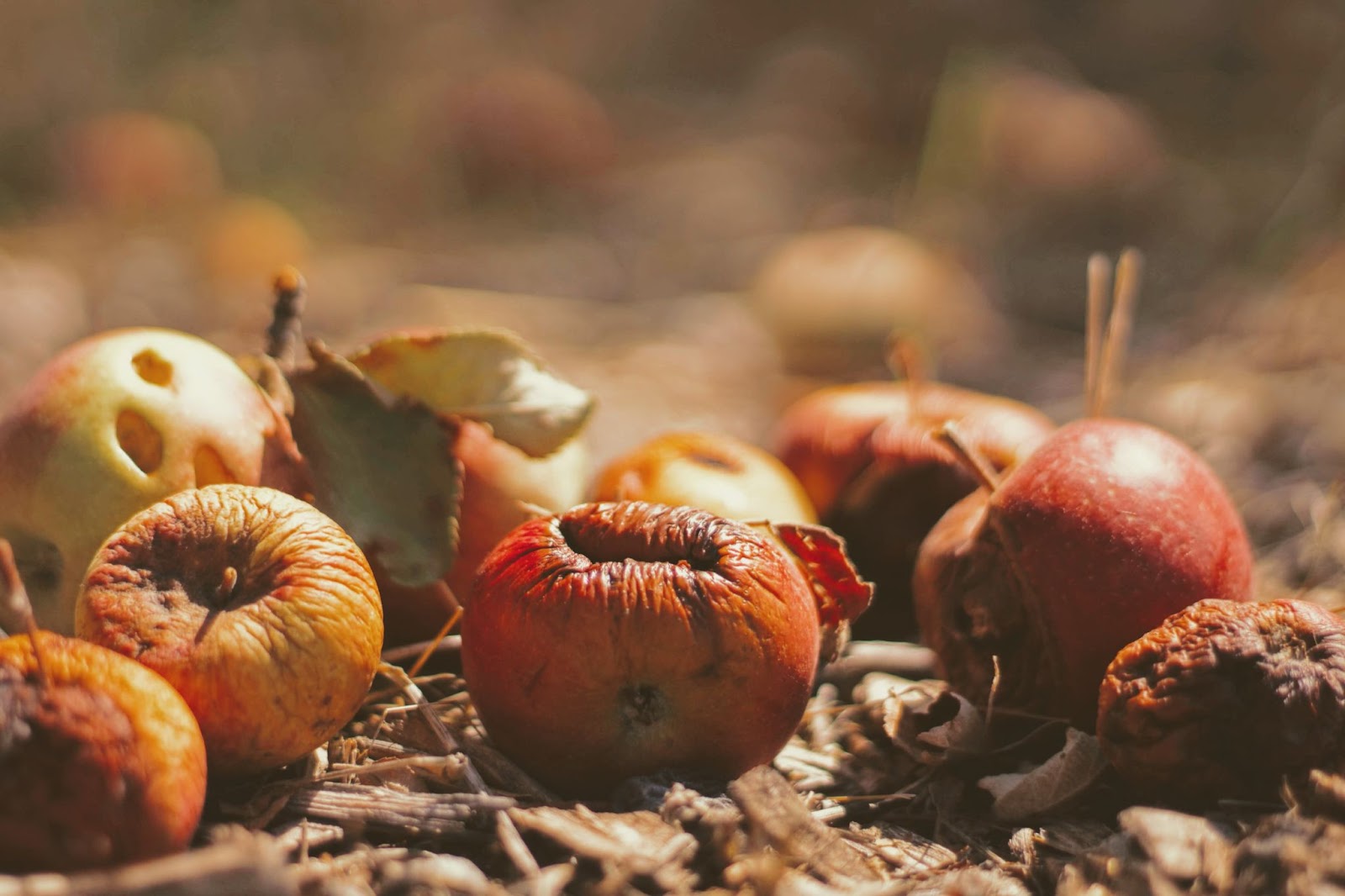
In a landfill, the conditions for decomposing organic matter are nowhere near as optimal. Scraps are compacted, and oxygen is limited, which immensely slows the process. Something as fragile as a head of lettuce takes up to 25 years to decompose fully, and it releases methane in the process!
Incorporating composting into your waste management at home can be a fun and relatively hands-off way to reduce your carbon footprint. Composting at home is flexible, and you can truly choose your own adventure. If you have outdoor space or a passion for gardening, you can take composting into your own hands and even get some free fertilizer for your plant babies! But, even if you’re in a high-rise city apartment, composting is still easy to implement and a great way to reduce your environmental impact.
Why Compost?
1. Reduce your waste!
By starting the habit of composting, you can drastically reduce your waste output and your environmental impact.
Did you know that household waste accounts for 40% of ALL food waste? For some households, up to 75% of the waste they produce could have been composted!
Although starting composting may seem like a small change, it can make a huge impact on our planet.
2. Reduce Methane released into the atmosphere
Composting reduces your environmental impact by preventing the release of methane. Methane is a powerful greenhouse gas released in the anaerobic conditions in the landfill. It is up to 86x more potent than carbon dioxide! Plus, wasted food accounts for 58% of all landfill methane emissions.
Compost is best thought of as a soil amendment that supports soil health and plant growth. When added, compost helps balance soil density, supports nutrient content, and deters weeds, pests, and diseases.
These qualities are very important to promote the health of our Colorado soils. Additionally, traditional fertilizers, pesticides, and herbicides can be very resource-intensive, harmful to our environment, and soil-degrading. Supporting our ecosystem with natural compost can decrease our reliance on harmful chemical additives.
If you have your own garden, investing in a composting system can save you tons of money on fertilizers and soil additives in the long run. Instead of wasting money, resources, and packaging on store-bought fertilizer, composting lets you make your own while repurposing your food waste!
Even if you have no purpose for fertilizer, your food scraps can still help our Colorado ecosystem. Commercial composting facilities use efficient machinery to quickly process food scraps into nutrient-rich materials. In Denver, the final compost product is sold back to residents, farmers, and landscapers. Simply by putting your scraps into a compost bin that is picked up or dropped off, you can support ecological and agricultural health in your community.
4. Save water while you garden
Compost drastically increases water retention when used as an additive in soil. 1% increase in organic matter helps soil hold 20,000 gallons more water per acre, which is an incredible amount when you consider the importance of conscious water use. This is especially important in Colorado, where we experience high water stress.
5. Pickup OR DROPOFF is easy!
Even if you don’t garden, you can still compost your food scraps and deposit them at a compost center in town or sign up for a pickup service. Plus, there are lots of programs in place to make this process as easy as possible for Denver residents!
Did you know that Denver Solid Waste customers can request a compost cart at no additional cost? If you’re living in a home and you use Denver Solid Waste for your trash pickup, it is easy and free to sign up for composting!
Starting September 1st, 2026, all apartments with 8 or more units will be required to provide compost pickup for their residents. If your building doesn’t have this implemented yet, reach out to your landlord and let them know of the new law so they can get a head start!
If neither of these applies to you, no need to worry! You can still repurpose those food scraps through compost pickup services or drop-off centers.
Food Scraps. Gross, but great for the compost pile!
What to compost:
When we’re composting for our garden, it’s important to be mindful of the materials you’re composting and how you balance your compost pile. If you are composting through a local service, these ratios aren’t important because they have industrial machinery to process compost. Just ensure you are following the guidelines and composting only acceptable materials! Otherwise, the workers at the compost site have to spend their days picking fruit stickers and plastic forks out of the compost piles. On a bad day, whole heaps have to be thrown away instead of used for compost.
For gardeners, the most important thing is to understand the difference between green and brown materials, especially when using the hot composting method.
“Green” Nitrogen Materials
These materials are the banana peels, apple cores, and leaf stems in your kitchen! Think “food waste”, and whatever items come to mind are likely what is considered green materials. These are important because they provide moisture for your compost pile and nutrients for your soil. In addition to kitchen food scraps, utilize a balanced mix of ‘nitrogen-rich’ weeds that have not ‘gone to seed’, grass clippings, and even small quantities of pet fur. Avoid adding animal products or fat to the pile. This can lead to excess odors and attract urban wildlife.
“Brown” Carbon Materials
Carbon materials provide the structural backbone of the compost pile. They absorb moisture, decrease compaction, and support airflow. Suggested items to add include small twigs, coffee filters, shredded paper, woodchips, end-of-season disease-free garden plants, straw, and fall leaves.
If your pile is unbalanced, it can be too wet, too dry, or too smelly. Expert gardeners suggest a ratio of 3-4 parts brown materials to 1 part green materials.
Cold Composting: The Slow, Beginner-Friendly Method
Cold composting describes exactly what it is. There is no temperature control and little moisture management. This process is low-maintenance and slower.
Start by picking a container! If you’re not sure how much organic waste you produce, start with a small compost bin you can keep in your kitchen. Some will need compostable bags as a lining, others will not.
Now that you have your container, placement is key! The perk of cold composting is that you won’t need to worry about moisture or the duration of composting, so you can decide whether you want more airflow to reach the compost or less. The more airflow, the quicker the decomposition into compost.
Keep in mind that cold composting is primarily anaerobic decomposition, a slower process that can take 1 to 2 years before the compost is usable as a soil additive. If you plan to compost in your own garden, hot composting might be a better option.
Hot Composting: The quicker, pickier method
Hot composting requires more care regarding moisture and a balanced nitrogen-to-carbon ratio. To achieve the best carbon-to-nitrogen ratio in your home compost, a rule of thumb is to put in three to four parts brown materials for every one part green materials. Your compost will also need more airflow to facilitate aerobic decomposition and an appropriate moisture content.
Check on the compost on occasion and add a light sprinkle of water, or more green materials, if the brown materials have dried out the composition. Turning your compost (aka mixing it up) also helps to add oxygen and keep the process moving. With some practice, managing this method becomes like second nature!
Food Waste Hierarchy
We want to emphasize that composting is actually one of the last solutions to mitigating food waste. Food should always go to people first, when possible. Before composting your scraps, get creative in the kitchen and see if there is any way to consume your food safely. You can also repurpose food without eating it, such as by making body scrubs or household cleaners. Then, if you’ve exhausted all your other options, composting is the way to go!
Happy composting!
Be warned, your thumb might just turn green after successfully creating your first compost pile! There are plenty of resources available online for you to reference, and check out our friends over at Denver Urban Garden’s website to dig up some tips and get started!
Food waste and hunger are immense problems rooted in a complex web of issues. How can anyone begin to understand the problem enough to make an impact? A good book is a pretty good place to start!
We have compiled a list of 7 essential reads about sustainability, food waste, and hunger that will help you feel like an expert. With one or two of these in your belt, you will soon be better equipped to be an agent of change in your community.
After reading up and getting inspired, check out ways to get involved, or donate to support We Don’t Waste’s food justice efforts!
If you have been looking for ways to waste less at home, Megean Weldon put together a gorgeous how-to novel for ways to make your habits more sustainable. Tips, strategies, recipes, and DIYs guide you through realistically attainable habits that produce real results. Oftentimes the zero-waste movement can seem overwhelming to anyone interested in making the lifestyle shift, so Weldon organized these ideas in a way that is digestible to anyone.
Naomi Klein is on a mission to debunk the myth that carbon is the biggest environmental problem. If we want to impact climate change, we as a society need to look at the real root of the issues: capitalism. Klein takes an optimistic approach as to how quickly circumstances can change by acknowledging the broken relationship between the economy and ecology. Greed and growth is what lead to the damages done by corporations, but in the examples of where change has been made the success stories are surprising and encouraging.
For centuries, our agricultural practices have eroded topsoil and stripped it of its nutrients. Geologist David R. Montgomery travels the world in an attempt to regenerate the uppermost layer of the planet. Ditching the plow, planting cover crops, and growing a diversity of crops is how he plans to help local farmers feed their community, guard the planet, and bring profitability back to non-industrial farms.
We talk often about ways to reduce waste in your own home, but it can be difficult to know where to start. This cookbook is an all-encompassing reference guide for what to do with all of the little bits of food you tend to throw away when you cook. You might not make a whole meal out of kale stems, but there are some amazing dips and garnishes you can try! With some guidance from Lindsay-Jean Hard, your kitchen can be more efficient, and more creative!
With 20 years of impressive investigative journalism and a truly empathetic approach, Loretta Schwartz-Nobel uncovers how hunger still exists in the US as a result of repeated abandonment by local and federal governments. For years the problem of hunger has only gotten worse, and the issue remains a silent epidemic unacknowledged by even the most respected seats in office. Scwartz-Nobel dives into how hunger impacts every demographic, regardless of race, age, location, or religion, and the endless cycles of impoverishment and hunger that trap countless Americans each year.
As a botanist and a member of the Citizen Potawatomi Nation, Robin Wall Kimmerer writes about environmentalism with an entirely unique perspective. She respects plants and animals as our oldest teachers of the scientific world and as guides for how to solve current issues. By understanding the interconnectedness of nature we can learn how our actions as humans have an impact on the natural systems of the entire world. Kimmerer writes with a scientific reverence that encourages ecological consciousness in an enchanting way.
This novel by Douglas Sheflin of Colorado State University is for our history buffs. In the 1930s, when the rain stopped and the fields dried out, Southern Coloradan farmers faced one of the worst ecological disasters in American history. The inability to farm coupled with the Great Depression forced agriculturalists to completely reinvent how they operated. With local initiative, federal support, and a passionate team of conservationists, Southern Colorado’s agricultural economy was rebuilt and transformed. We can look back on these events for renewed perspective on what we face today if we can’t solve mass desertification.
40% of all food that is produced in the United States goes uneaten, and most of that is the result of households. It’s hard to believe, but if you pay attention to how much food you throw out in a week it might start to make a little more sense. In fact, a family of four could save on average $1,800 a year on wasted food alone. The waste isn’t intentional, but we don’t always have the best strategy or the knowledge to make the situation any better.
Check out these tips for ways to save food you may not have known about. Save the groceries, and save your money!
1. Date Your Foods
When opening a can of sauce, a carton of eggs, or just putting away leftovers, write on the container the date in which they were first opened or stored. This will prevent the “Oh no, how old is this?” panic when you see an item you forgot about in the fridge. It will also help with food organization for tip #2.
2. Store the oldest foods in front
If you’ve started to write dates on your foods or you have just gone to the grocery store, place the already opened or older food items in the front of the fridge. Oftentimes many Americans will forget about what they have in the back of their fridge and it will rot. Simply by seeing what we have, we can incorporate the foods into a meal or a snack and prioritize eating them before they goes bad.
3. Freeze it while it’s ripe
You’ve labeled your foods and you know you have about a day left before your asparagus is totally wilted the way that it’s looking. Put it in the freezer! If you aren’t ready to cook with it yet it is better to save it for later than throw it away and waste the money. A common misconception is that freezing produce or protein causes it to lose its vitamin and mineral content, but worry not, frozen foods retain most or all of their nutrients until you decide to cook with them! You have nothing to lose but space in the freezer!
4. Know your labels
Many Americans will throw out food prematurely because they misread the labels on the food.
“Sell-By” refers to the peak rotation of freshness for foods on shelves in grocery stores. It has nothing to do with food safety.
“Best-By” refers to the date of the peak taste of food, but does not refer to the expiration.
“Use-By” refers to the ideal freshness of the food, but does not refer to the expiration either.
The moral of the story is to always use your senses to tell if a food has gone bad. Look at it, smell it, and taste just a little. If all else fails, use google to know what signs to look for in a product that has gone bad.
5. Store the right foods apart
Some foods will produce ethylene gas as they ripen. It’s a natural process that may cause other foods around it sensitive to ethylene to ripen even faster! If the foods stored together on your counter seem to be going bad too quickly, this may be the cause. Store these foods as far apart as you can to maximize the time they stay fresh!
6. Treat herbs like flowers
By storing cooking herbs upright in a cup of water you can extend the time that they stay fresh. After getting back from the grocery, cut the end of the stem, cover the tops of them with foil or wrap if needed, and they will be fresh until you need to use them. (Asparagus, carrots, and celery also likes to be kept upright in water)
7. Wash produce as you go
Instead of soaking the entire container of blueberries when you get home, wash only the amount you intend on immediately eating. By washing them and putting the container back with the additional moisture you are creating conditions for mold to grow faster and for your leafy greens to wilt. If you notice there is already moisture buildup in these containers, place a paper towel in the bottom of the containers in order to absorb it and replace it when you notice it getting soggy.
8. Not everything needs refrigerated
Avocados, citrus, bananas, nectarines, pears, peaches, onions, tomatoes, and potatoes can all be stored at room temperature or in a cool pantry. Even apples that aren’t quite ripe yet need to be kept at room temperature before being refrigerated. Just remember the tip about ethylene producers and keep those items distanced. Covering the stem of the bananas can also reduce the amount of ethylene they spread to nearby produce.
9. Wrap opened cheese
After opening it is best to cover cheese in wax or beeswax paper in order to prevent molding. These papers also prevent any flavors from being transferred to the cheese, where plastic wrap can leach odd flavors into the cheese.
10. Use reusable containers
Foods don’t always come in the best packaging for storage. Lettuce can come with too much moisture, grain and bread bags aren’t air tight, and some foods can be too dry. Consider moving foods, especially ripe ones, to reusable containers in order to preserve freshness longer. Bonus points if you bring produce bags to the grocery instead of using plastic! (Just make sure to wash them every once in a while to prevent bacteria growth.)
Start implementing some of these tips in your household and watch your grocery bill fall and your fridge stay stocked! If you are looking for more ways to reduce your food waste at home, check out our blog on the topic!
Follow @wedontwaste on social media to stay up to date on all the best food practices! Donate today to take your impact further and propel our mission of recovering quality food and reducing food waste.
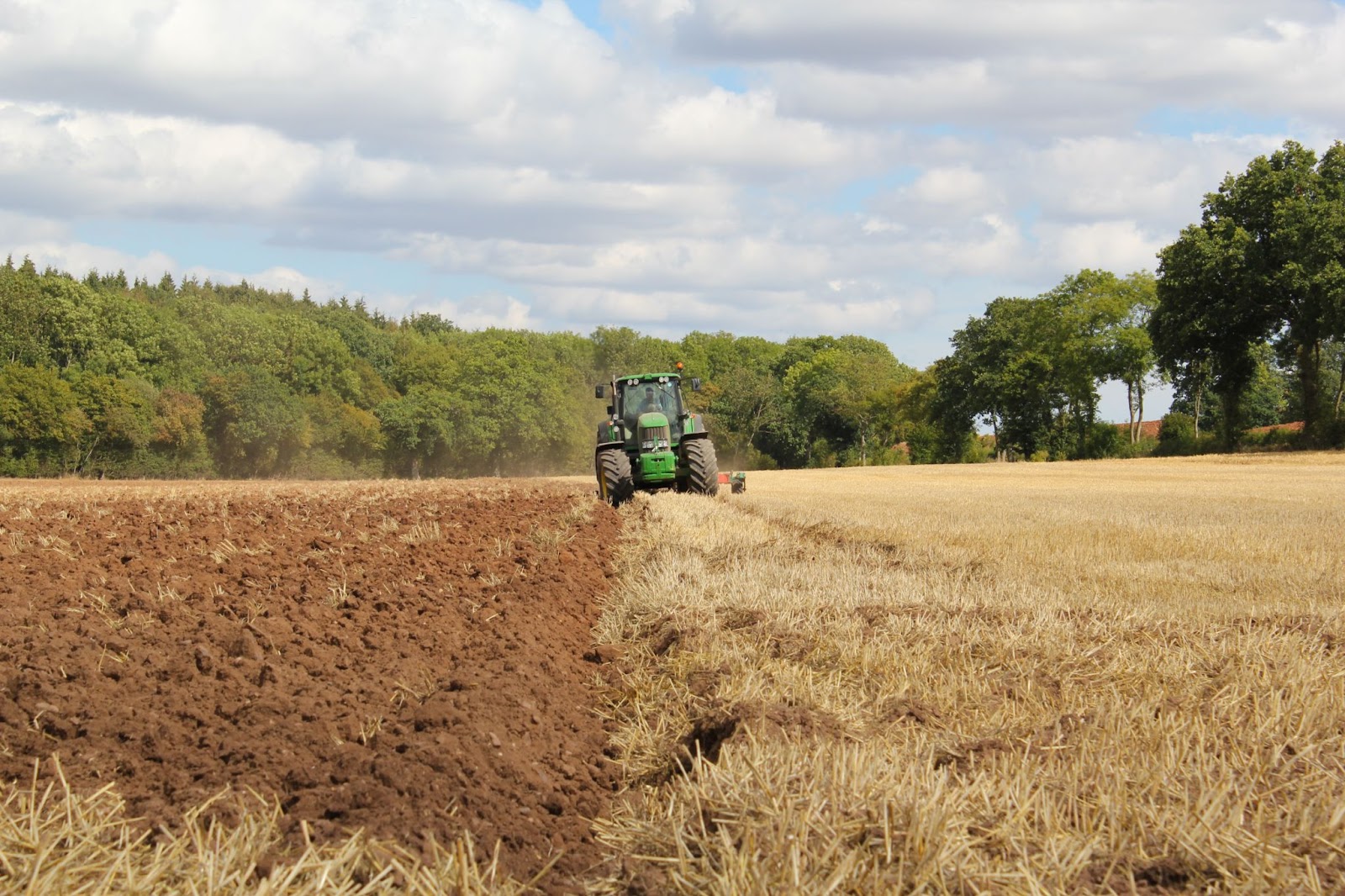
We typically discuss food waste, a stage where food exits our food systems, but it is equally as important to understand where it all begins, the soil! At the beginning of food production, soil and farming practices set the stage for the sustainability of our food system.
One of the ways farmers and producers are currently working to reduce the damage of industrial farming is through regenerative farming. The Regenerative Agriculture Foundation defines it as “any practice, process, or management approach that enhances the functioning of the systems on which it relies.” The methods that make up regenerative farming are deservedly now at the forefront of discussion in regards to climate change.
It may sound, at first, like a new buzzword, but the health of soil is at the foundation of agriculture itself. Soil may not look like much, but it is very much a living, interactive part of our environment. Soil provides key nutrients required for plant growth such as nitrogen, phosphorus, and potassium as well as many others. The soil itself is composed of minerals, organic matter, living organisms, gas, and water⏤and all of it is affected by what happens in, on, and around it.
Much of regenerative farming involves the practice of making sure that soil is kept in tip-top shape in terms of the mineral, water, carbon, and nutrient content. In return, the farmland works symbiotically with the rest of the ecological landscape and stays arable decades longer. Healthy soil acts as a highly-effective carbon-sink, a natural pest repellent, and if treated right can produce healthier foods at a lower environmental cost as well.
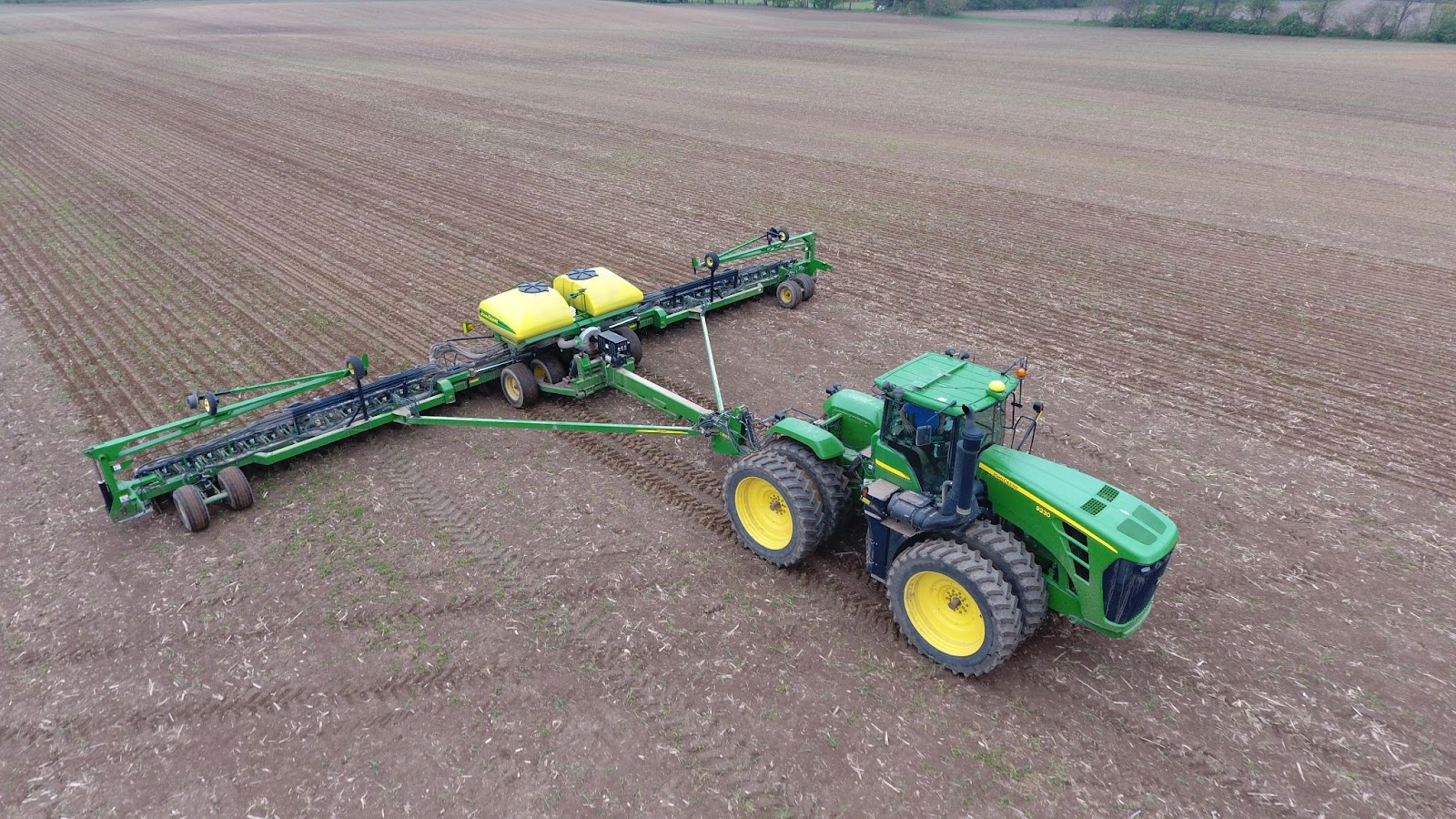
Industrial-level farming depends on intensive water and growing practices which results in depleted nutrients in the ground and eventually the destruction of the soil itself. Soil is often overtilled, underfed, and overworked until it loses all biodiversity and is effectively dead. When the soil is misused in this way it can become extremely difficult to grow crops and leads to further desertification of previously arable land.
Nearly all large-scale farming operations in the US use methods that follow down that path, but there are ways to reverse the damage.
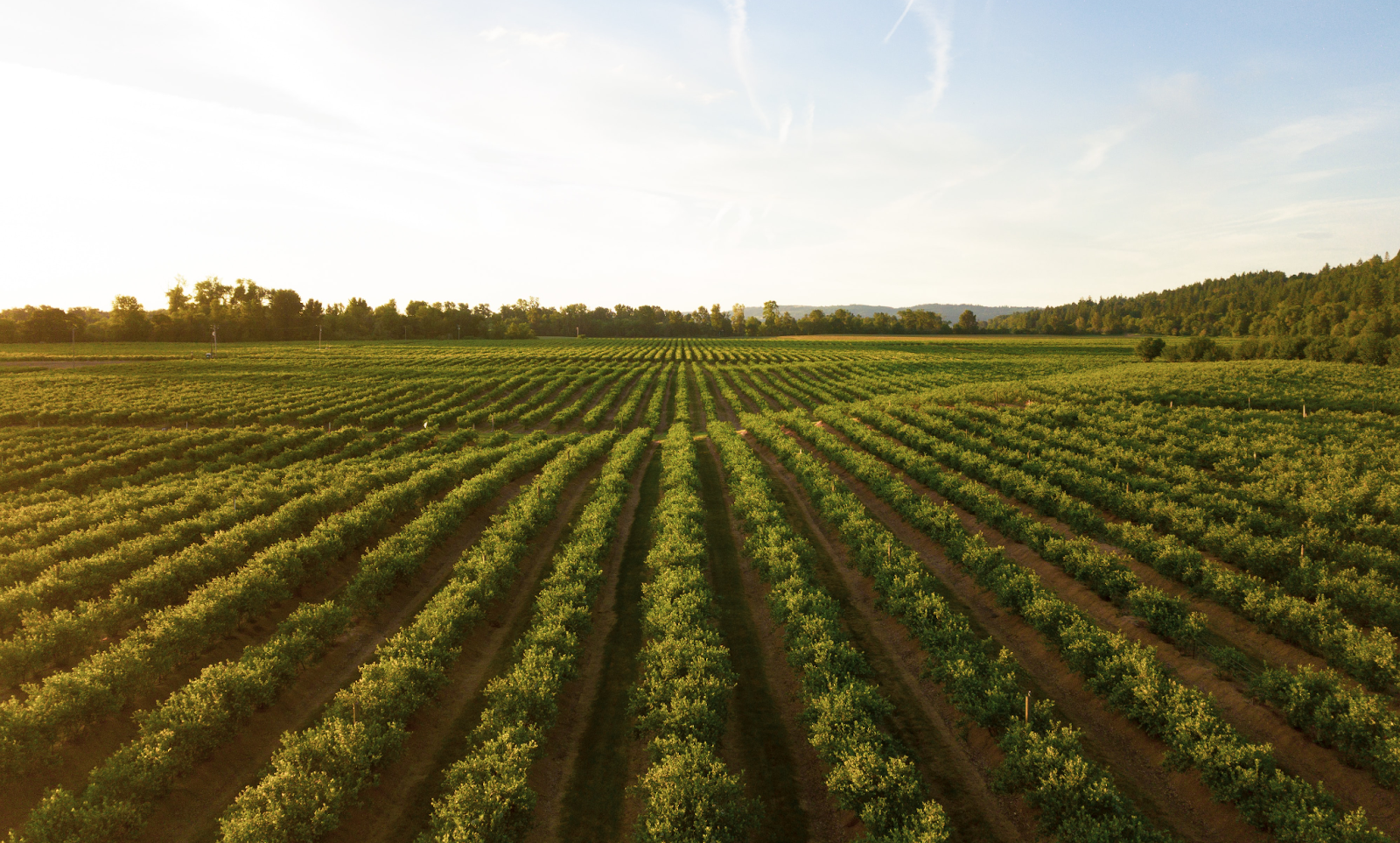
Smarter crop rotation, using organic pest solutions, regenerative grazing, and more natural solutions can be incorporated in various degrees in order to preserve current farmland or regenerate current arid lands. Much of this has yet to be explored on the same scale as industrial farming as the organic and non-industrial farming sector makes up less than 1% of all farmland in the US.
Fortunately, many of these methods are proven tried and true where they are incorporated.
Crop rotation is important for soil as some crops are extremely greedy in terms of the nutrients they absorb from the soil, whereas other crops act to replenish the soil with nutrients they return to their roots. It’s the give and take that allows soil to recover as opposed to intensive plants using up the nutrients in the same soil four seasons a year.
Many regenerative farms also choose to allow grazers onto the fields while they lay fallow after the primary plant is out of season. The animals that graze fertilize the soil naturally and cause less destruction to topsoil as opposed to continuous tilling.
Natural pest solutions are less harsh on the soil and have a much lower environmental cost to produce. Glyphosate, the primary ingredient in non-organic pesticides, actively attacks the amino acids in plants and only gets to store shelves after an immense amount of fossil fuels are used in production.
What do consumers want?
Consumers have clearly indicated through shopping habits that many prioritize natural solutions with the wave of organic isles that can be found in many grocery stores. In 2019, Nielsen found 73 percent of global consumers said in order to reduce their environmental footprint they would be willing to change their habits.
With this in mind it is clear that in order to have a more sustainable food system it is as important to consider the beginning as it is the end of food production.
We don’t all have access to organic food or local farms, but we can all make sure that we smartly use the food we buy!
There is so much time, energy, and natural resources that goes into the production of our food today that it makes utilizing what we’ve grown even more important. Your resourcefulness can help keep climate change in check.
Understanding the impacts of greenhouse gases is one of the most popular scientific subjects of the past decade. As an organization, We Don’t Waste frequently compares our food recovery efforts to emissions saved.
So what is methane? Known as a “super-polluter”, methane is a potent greenhouse gas. Greenhouse gases trap heat in the atmosphere and cause the overall average temperature of the planet to rise. There are several greenhouse gases, carbon dioxide (CO2), methane (CH4), nitrous Oxide (N20), and fluorinated gases.
Many of these gases can be released by natural processes and will continue to do so in a healthy ecosystem. What is concerning is that an estimated 60% of the greenhouse gases in our atmosphere are caused by human activities and are too rapidly increasing the quantity and density of these gases. The rate at which human activity produces these harmful gases is also expected to increase unless conscious action is taken to prevent it.
Methane makes up approximately 10% of the amount of greenhouse gas in the atmosphere emitted by human activity, but the impact it has on the atmosphere ranges between 25 times to 86 times worse than carbon dioxide. This is because the chemical shape of methane makes it incredibly good at trapping heat.
The gas only lasts in the atmosphere for about 12 years, just a tenth of the time of carbon dioxide, but wreaks havoc while resting in the ozone. This is how methane earns it nickname, “super-polluter.”
Cutting methane emissions by nearly half within the next decade would prevent a 0.3°C rise in the average global temperature by the 2040s. This would be a necessary step in order to meet the Paris Climate agreement which aims to keep the global increase in temperature below 1.5°C.
There are a few different ways that the gas is produced. Methane is produced in the agriculture sector as a byproduct of livestock farming, from energy and industry, and from waste that is created by homes and businesses. Waste from homes and businesses makes up the third largest source of methane emissions (created by humans), so this is where we as consumers can make the most impact.
When households and businesses discard food, the organic material rots in municipal landfills and releases methane. We can change this!
We can also advocate for the industry to change and become greener. The agriculture industry can work on reducing emissions by reworking the diet of the animals through anaerobic digestion, capturing the methane as it is released, and making changes to the manure collection and disposal systems. Cows themselves make up about 40% of all methane in the atmosphere and the increasing demand for cow products means there will be even more burps and releases. Similarly, energy and industry standards for emissions are also being scrutinized and can be made “greener.”
There are a few ways you can help at home. Check out our blog on how you can reduce waste in your household. If you can decrease the amount of waste produced by your own household it will help decrease the methane produced in your local municipal landfill, which will directly improve the air quality in your area! As you learn to integrate these habits, share the news. Your understanding of the issue is twice as effective when you share it with a friend that can help you fight climate change.
The 1.5 degrees Celsius goal is important as the data suggests that this is the cutoff before there is serious, irreversible damage done. With climate change comes major ecological shifts, most likely resulting in a disruption of food production and major agricultural repercussions.
Populations that are already at-risk or affected by food insecurity will likely experience the brunt of the challenges caused by climate change. It is our collective responsibility to make sure that we can reduce the damage by reducing our food waste and valuing the nutritious food we produce.
We call ourselves We Don’t Waste for a reason––and that reason is because food waste central to our mission. The food that we recover is just one part of the billions of pounds of food that goes to waste every year. 40% of all food, most of which is edible and nutritious, ends up in landfills instead of a stomach. From planting to production, to making it onto a shelf in your home, food is lost in every step of the process.
Here are some fast facts to catch you up on the situation.
Out of the 160 billion pounds of food that is thrown out annually, about 126 billion pounds of it is edible.
A 15% reduction in food waste would result in a year’s worth of food for 25 million people.
The food that ends up in a landfill ends up producing methane, a greenhouse gas that is up to 87 times more potent than carbon dioxide.
There are two main categories of food waste that can help you understand the issue further…food loss and food waste.
Food loss occurs during food production. Bad weather, a harmful pest, and a bumpy truck can all contribute to food being damaged and thrown out. A perfectly good tangerine in an odd shape or color may be thrown out by a grocer as it would be seen as ugly by a consumer. Market interest plays a part as well. As prices shift, farmers may leave entire fields unharvested due to the cost of labor versus market prices.
Food waste occurs in the form of unused foods in restaurants, hospitals, venues, and in your home. Most of the waste occurs in households, with about 76 billion pounds of food waste coming from the remains on your plate and food that goes bad in the back of the fridge. When you chop off half of the stem of the asparagus, that also contributes to the pounds of food rotting in your local landfill.
There are several major offenses we all tend to commit that contribute to the reasons food waste is so prevalent in homes.
Food Spoilage. About two-thirds of food purchased gets thrown away due to improper storage, partial use of food, lack of visibility, and poor planning.
Over preparing. Many people cook large servings of food, some of which gets thrown away, or results in leftovers that sit until they are thrown away.
Date label confusion. Many Americans will throw away good food based on the “Sell-By” date. The label is used for peak quality in terms of shelf life but does not actually correlate with how long the food stays good to eat.
Overbuying. Many people buy bulk foods expecting to eat it all and save some money when, many times, the food ends up spoiling before it can all be consumed.
Lack of Planning. Going into the store without a plan can mean buying ingredients you won’t use, foods you don’t actually like, or too much of an ingredient before it spoils.
Luckily, all of these issues are easily solved with a little forethought. Next time you go grocery shopping, take stock of what you have in your fridge, what you actually enjoy eating, and what meals you plan to make in the future. Creating better habits to prevent food waste is one way you can make a big difference in your local environment. Check out some tips here.
The food that ends up in your municipal landfill rots and produces methane, damaging the local air quality, as well as the groundwater quality. The resulting methane from food rot accounts for about 14% of all human-produced greenhouse gas emissions. It’s not just your local environment that suffers, think of all the gallons of water and wasted energy that went into growing the food. With fresh water and arable land becoming increasingly more difficult to secure, it is a lose-lose situation for farmland as well as your own neighborhood.
The consequences of food waste and the steps to improve are clear. It’s up to all of us to make the change! Help us spread the word to your family and friends so we all have the tools to do our part to help prevent climate destruction.